
From our annual magazine, Dialogue, March 2026
Children's work
These drawings and pages were made by children in our learning space. They are shown as the children made them, without correction. We have left out their names.
Drawing is thinking made visible
Children draw to understand the world. A child who draws a dog, a bus or their mother is making sense of what they have seen, touched, climbed, smelled and lived.
Drawing also follows the growth of the hand. A toddler's first marks come from the shoulder, in sweeping arcs and dots. As control moves down the arm to the wrist and fingers, the lines become more deliberate. Then the child begins to name what they have drawn.
First marks
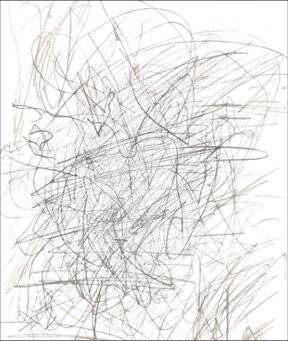
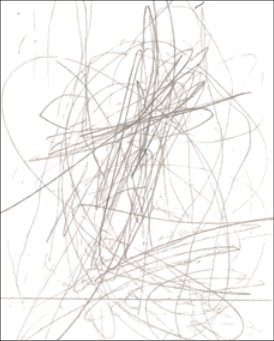
What I see around me
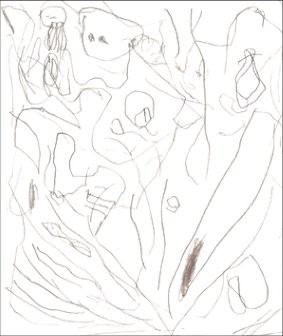
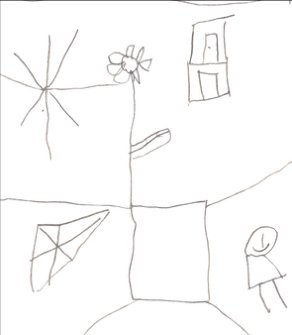
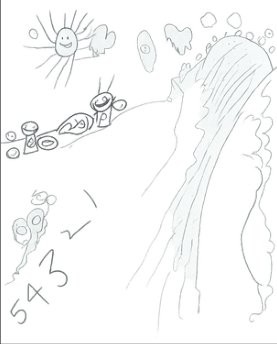
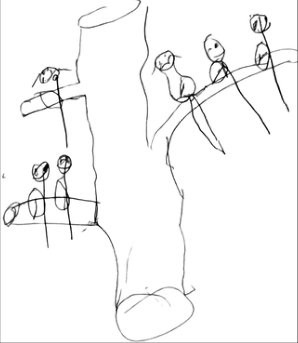
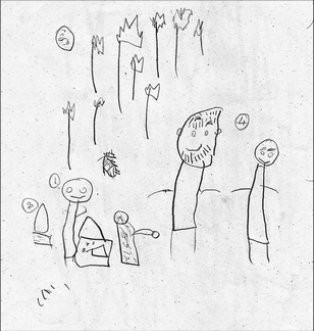
Why we do not correct a child's drawing. When a child says a round scribble is the sun and we show them how to draw its rays, we send the message that their way of seeing is wrong and ours is better. Colouring books do the same: they replace the child's perception with someone else's lines. Only when we stop trying to improve a drawing can we begin to understand it.
Structured work, and drawing to observe
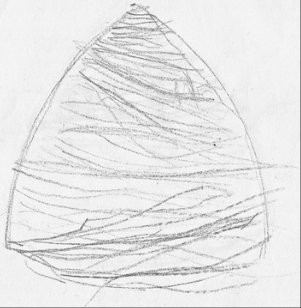
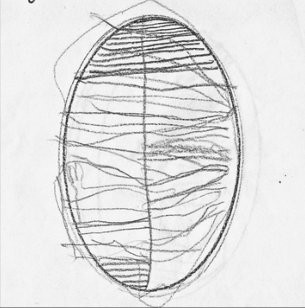
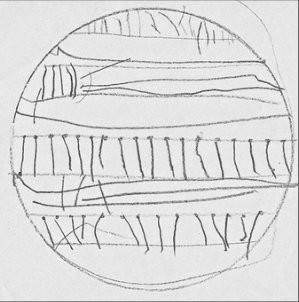
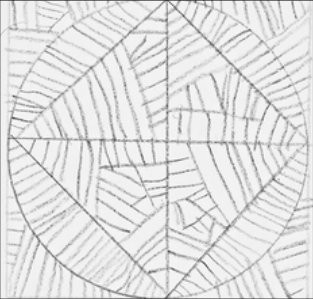
Alongside free drawing there is a place for purposeful, structured work. These are one child's tracings with the metal insets over six months, from August 2025 to January 2026 (age 4)
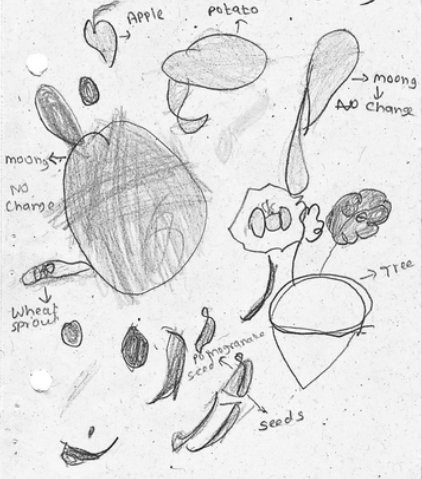
Drawing is also a way to watch change over time. These pages are from one child's seed journal, kept over nineteen days. The labels were written by an adult.
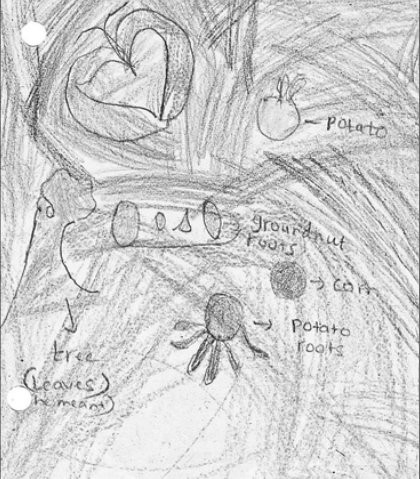
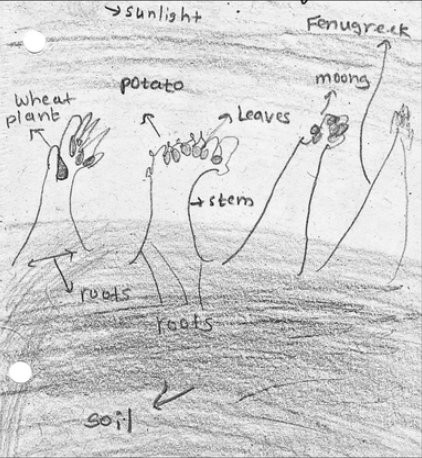
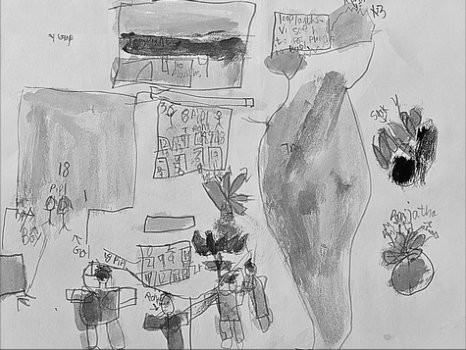
A tree and a village
Children were given a real situation to think about. A village needs electricity, and electricity poles must be put up. To place one pole, a large tree has to be cut. The tree is home to many animals, birds and insects. Children drew and wrote how they imagined this would unfold.
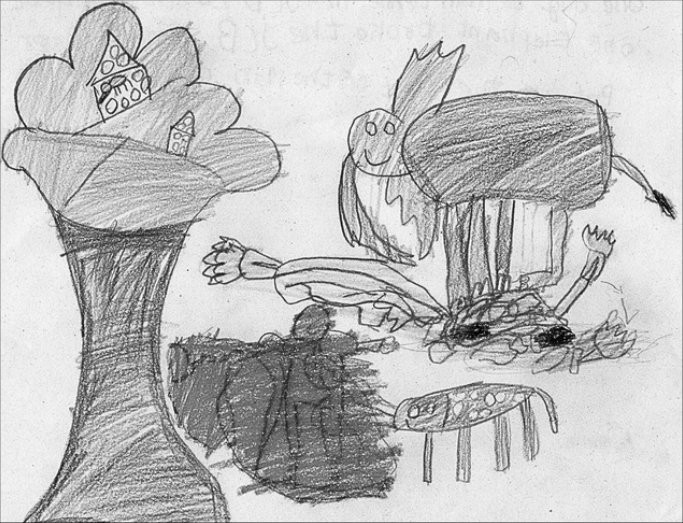
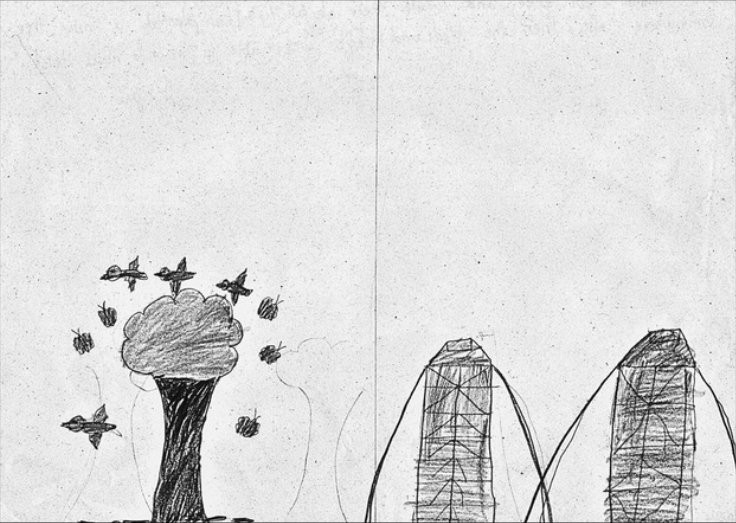
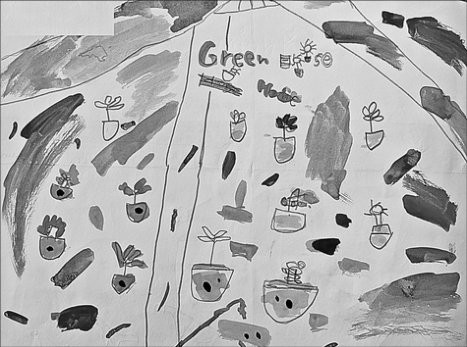
After a visit to Tapovan Nursery
A poem
Page and Rocket
Page and Rocket were two friends
They both played football
They were different from each other
But were still friends.
Page liked paratha pizza
And Rocket liked roti pizza
One was funny
The other was angry
But they were still friends
One had a pet cat
The other had a pet dog
But they were still friends.
Elementary, second year
How this work comes about, day to day.
How children learn here